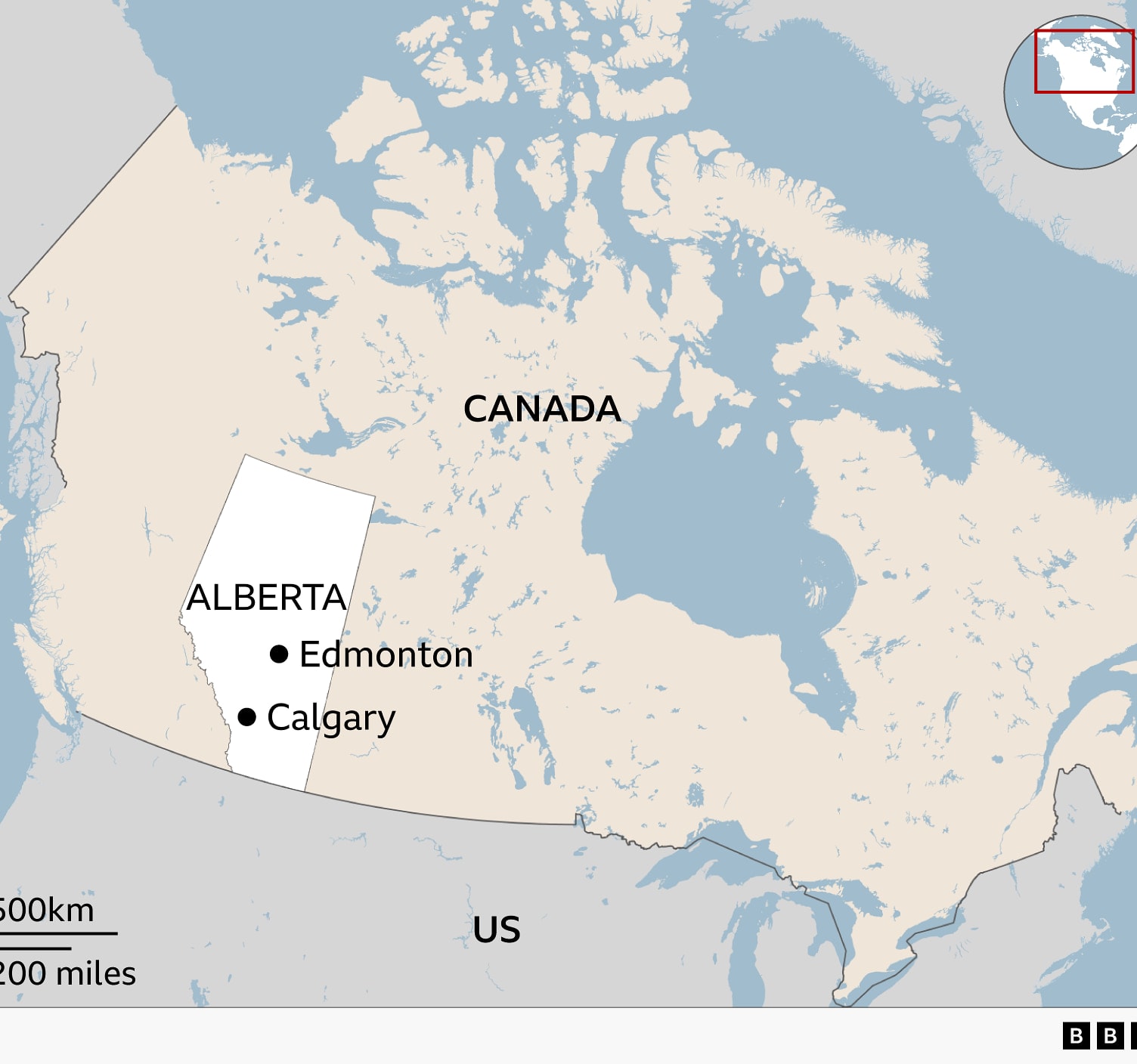
Voters in Alberta will decide this month whether to remain in Canada or to advance toward a binding independence referendum. The choice would recast the economic future of a province that produces a large share of the country's oil and natural gas. Producers, investors, and public officials are watching for signs of how far the campaign might go.
Alberta's economy depends on crude oil, natural gas, and the firms that extract, refine, and move those resources. Provincial budgets track energy prices and the volume of exports that travel through pipelines. A break from the Canadian federation would force new rules on how those resources are taxed, regulated, and sold abroad.
Supporters of a referendum argue that federal climate rules and equalization have left the province at a disadvantage. They say control over resource revenue and energy policy would rest closer to home. Critics warn that leaving Canada would raise legal uncertainty, slow pipeline projects, and increase the cost of public borrowing.
A break from the Canadian federation would force new rules on how those resources are taxed, regulated, and sold abroad.
The United States is the main market for Alberta crude. Those shipments now move under federal trade arrangements and shared regulatory systems. An independent Alberta would need to negotiate access on its own, including tariffs, environmental standards, and routes that pass through other provinces.
The vote this month would not itself take Alberta out of Canada. It would decide whether a later binding referendum proceeds. Energy companies and investors are likely to read the result as a measure of political risk rather than an immediate change in borders.