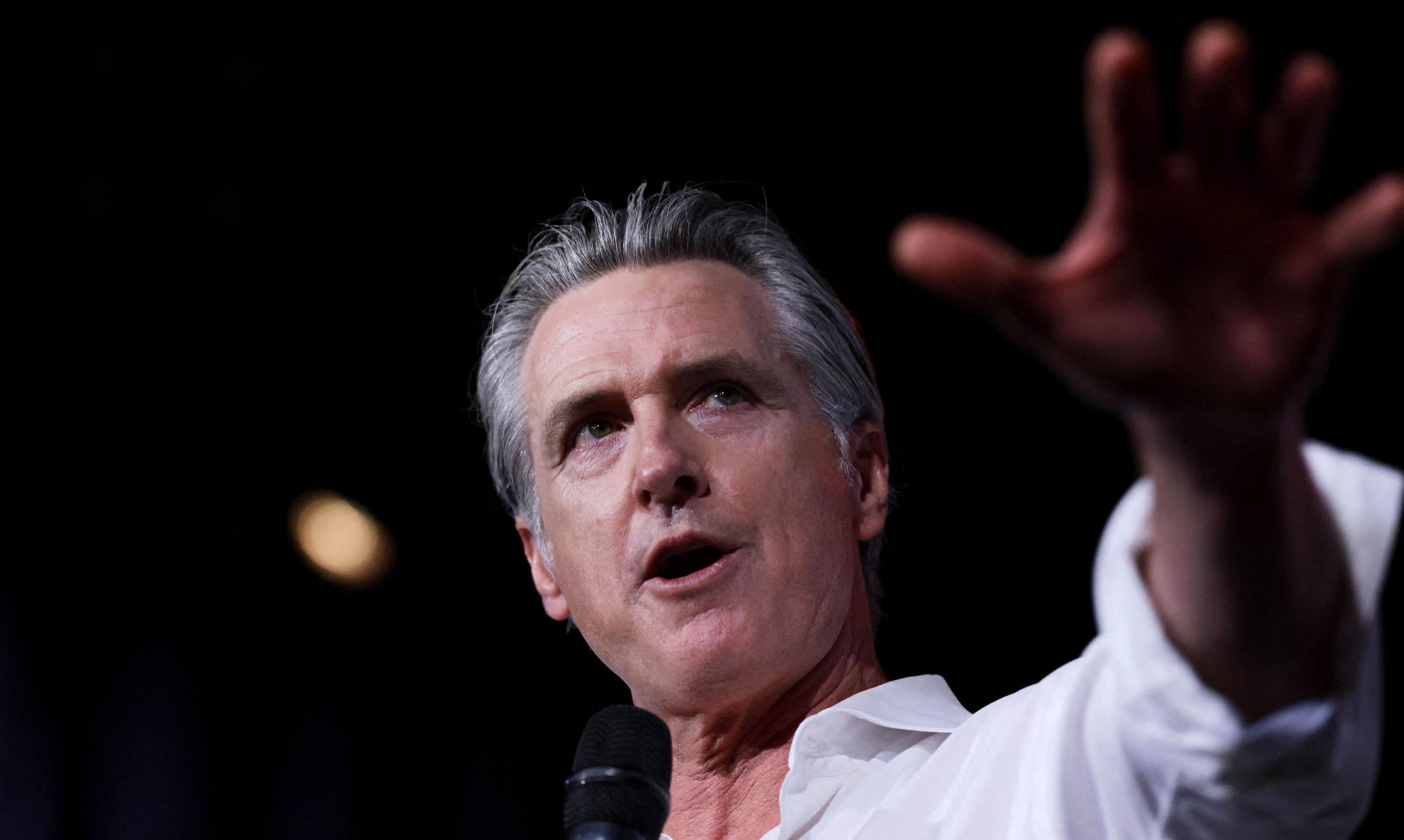
California Governor Gavin Newsom has commuted the death sentences of all 548 people on death row in the state. None of those prisoners can now be executed under the verdicts that condemned them. California has for years maintained the largest death row in the United States.
The order does not release any of the inmates. They will remain confined in state prison. The state has not put a prisoner to death since 2006, and executions have been halted under a moratorium the governor imposed after he took office.
Capital punishment is still written into California law. Repeal would require action by lawmakers or by voters. The governor used his clemency authority, which lets him reduce sentences case by case, and applied it to every remaining death sentence at once.
None of those prisoners can now be executed under the verdicts that condemned them.
The decision is certain to draw legal and political challenges. Relatives of victims do not speak with one voice, and some have spent decades waiting for an execution that never came. Prosecutors argue that juries and voters already settled these cases.
Opponents of the death penalty say the state poured money into a punishment it no longer carried out. They cite racial disparities in charging and sentencing as a core defect. The commutations leave those arguments for another day, while taking everyone now on death row out of reach of the execution chamber.