Greenhouse gas concentrations measured over New Zealand have reached their highest recorded levels, according to a government climate assessment released Wednesday. The Our Atmosphere and Climate 2026 report says those concentrations raise the likelihood of stronger heatwaves, more damaging storms and faster loss of mountain ice.
The report presents a national snapshot of atmospheric change rather than a global emissions inventory. It connects the record readings to physical risks that could affect water, coasts and alpine terrain in the years ahead. The document describes a climate system already under growing strain.
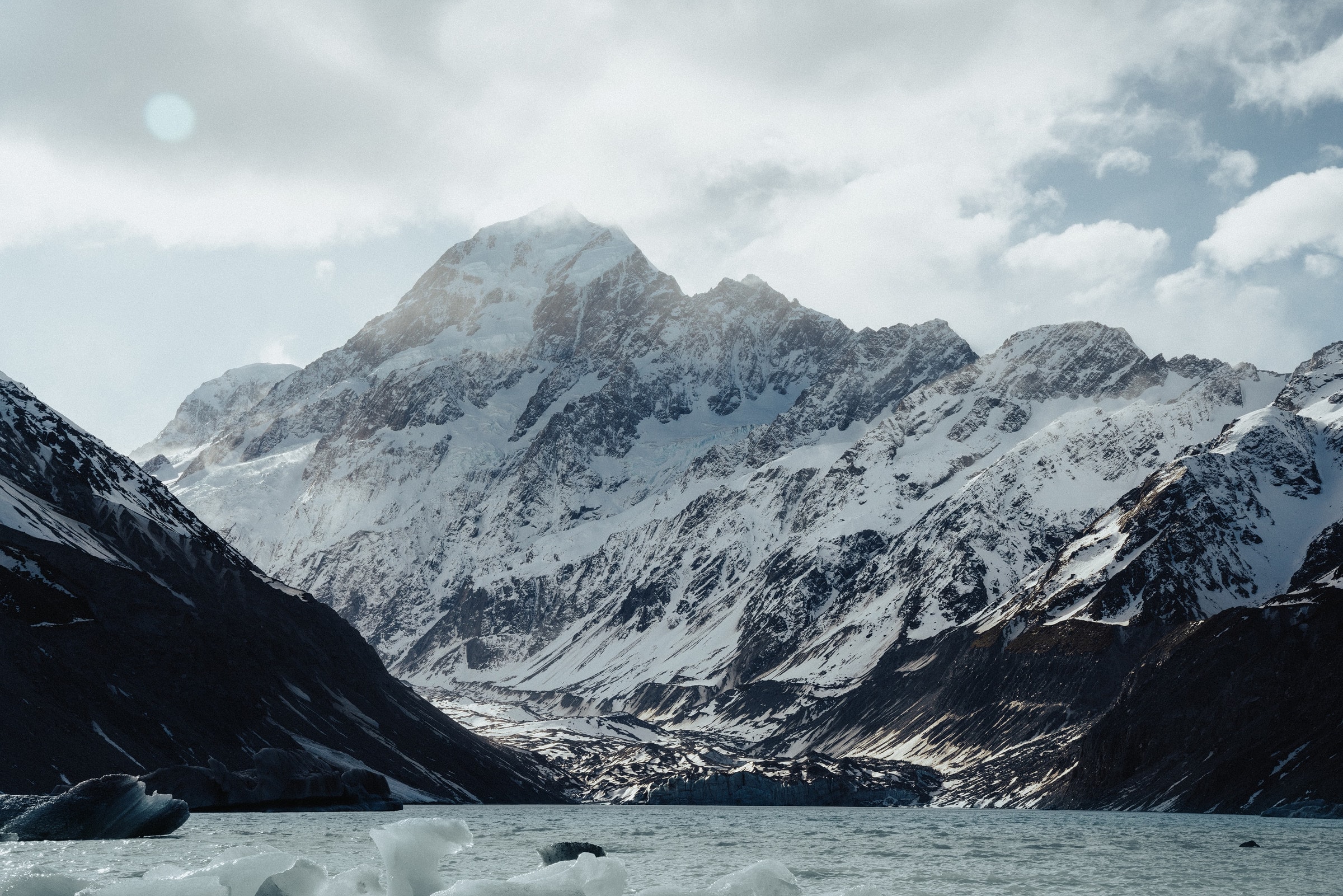
Mountain glaciers, concentrated in the Southern Alps, remain among the most visible signs of warming. The assessment indicates that melt could pick up if greenhouse gases stay elevated. Heat extremes, historically tempered by the surrounding ocean, are expected to become both more common and more severe.
Heat extremes, historically tempered by the surrounding ocean, are expected to become both more common and more severe.
Storms and cyclones are also flagged as hazards that may intensify, with implications for infrastructure and coastal communities. Sectors that depend on snowpack and reliable river flow, including hydropower and parts of agriculture, sit in the path of those changes. The published findings do not attach monetary estimates to those risks.
New Zealand’s maritime setting can still blunt some temperature swings, but it does not remove the pressure documented in the 2026 report. Planners are left with a clearer picture of nearer-term heat, ice loss and storm damage. The assessment stops short of prescribing new policy, focusing instead on the physical conditions now being observed.