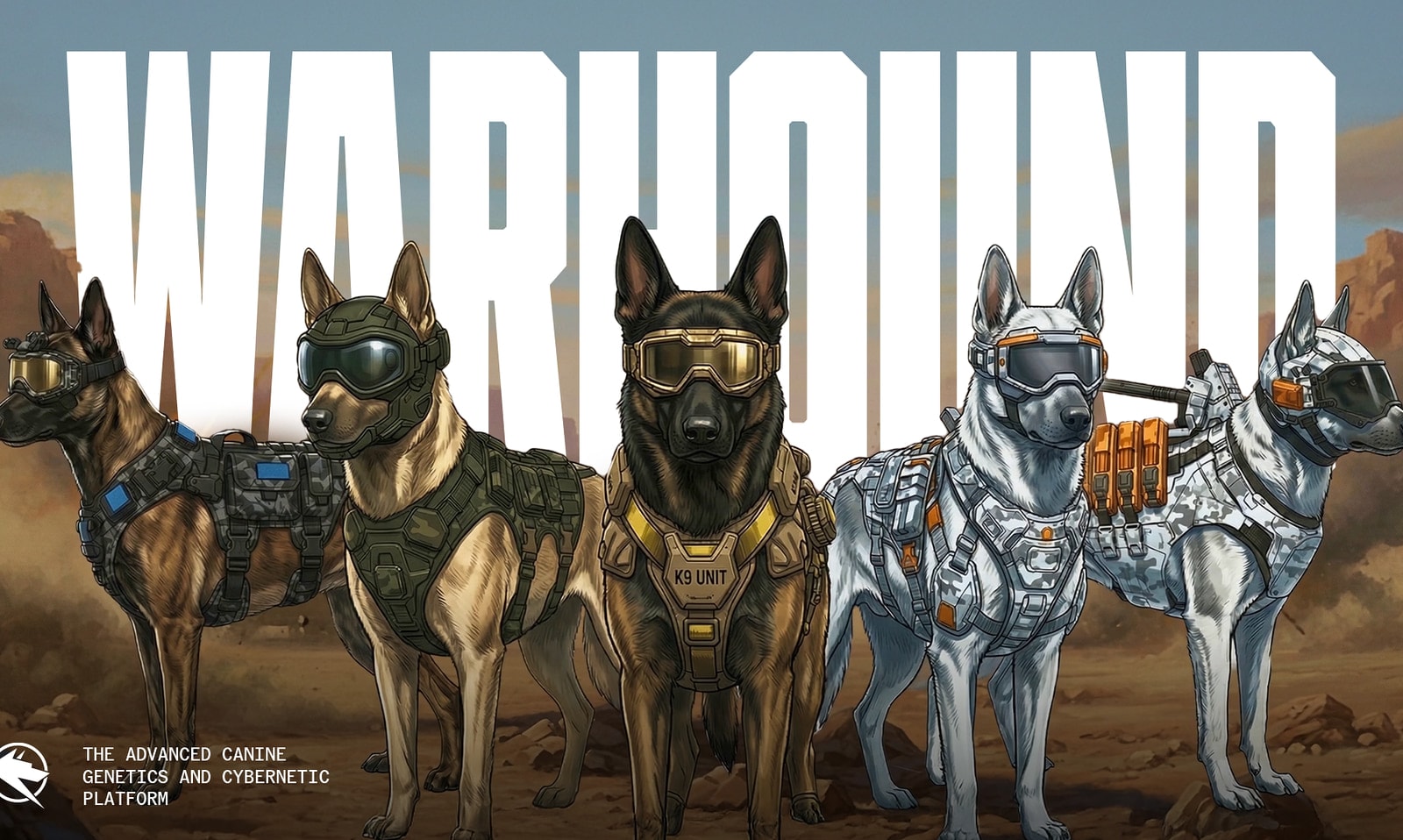
Warhound said it has raised 200 million dollars to genetically engineer dogs for military and police missions and to outfit those animals with equipment from Anduril. The company is the creation of entrepreneur Ben Lamm and Anduril founder Palmer Luckey and emerged from stealth this week. The round was first reported by TechCrunch.
Lamm is best known as a founder of Colossal Biosciences, which has pursued genetic work aimed at extinct and endangered species. Luckey founded the virtual reality firm Oculus, later sold to Facebook, and went on to build Anduril as a supplier of drones, sensors, and software to the Pentagon and allied forces. Their collaboration places a consumer technology veteran and a biotechnology executive at the center of a project that would put modified animals into uniformed service.
Dogs already work with armies and police forces worldwide after conventional breeding and months of training. They find explosives, track suspects, and clear buildings in conditions that remain hard for machines. Warhound proposes to change that model by intervening at the genetic level before training begins, then adding Anduril sensors, communications gear, and other kit.
Warhound has not said which breeds it would use, which traits it would target, or whether it holds government contracts.
The approach sits at a sensitive junction of animal welfare, military ethics, and biotechnology regulation. Public militaries have not widely disclosed programs to field genetically modified working animals, and Warhound has not said which breeds it would use, which traits it would target, or whether it holds government contracts. Those omissions leave open basic questions about safety, oversight, and how handlers would be expected to treat animals designed for combat and policing roles.
Anduril already sells autonomous towers, drones, and battlefield software. Pairing that catalog with animals that can climb rubble or work in tight indoor spaces is the commercial logic of the arrangement. Whether commanders will accept genetically modified dogs in operational units is untested in public, and veterinary as well as export rules could slow any path from laboratory to patrol.