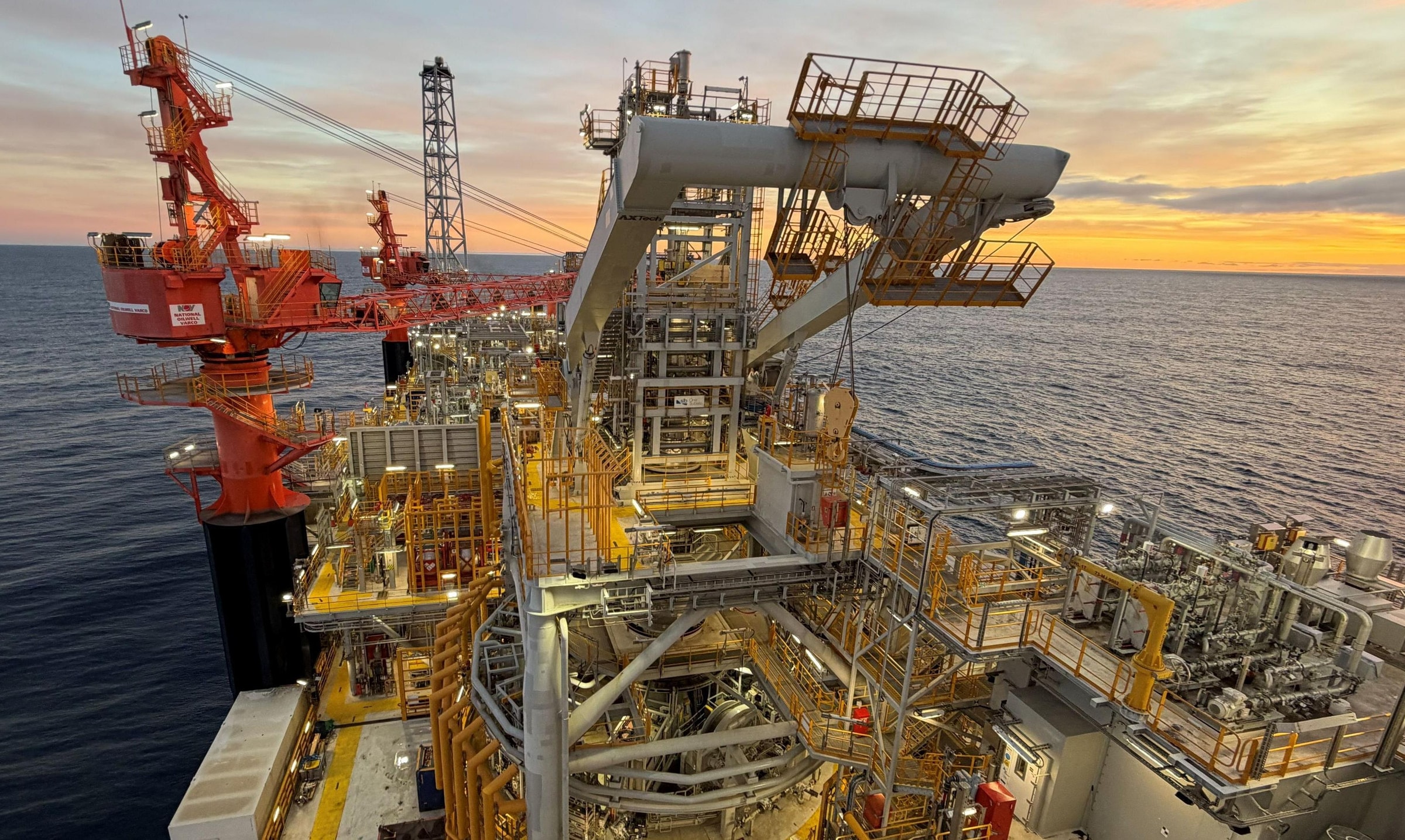
The Rosebank oil field west of Shetland has become a test of how Britain balances remaining oil demand against climate targets. Workers are still present on vessels at the site even though production has not started. The project sits at the centre of a dispute that pits energy companies and parts of the Scottish supply chain against campaigners who want no new North Sea fields.
Equinor of Norway and Ithaca Energy hold the licence. They say Rosebank would provide oil that the UK continues to import and would sustain skilled offshore jobs as older fields decline. Opponents argue that extracting the oil would lock in emissions for decades and undercut the country's climate law.
Judges found that earlier consent did not properly consider the carbon released when the oil is used. Developers must now address that gap before any green light can be restored. In the meantime the field remains untapped and the timetable for first oil is unclear.
The oil is still in the reservoir. The politics are not.
Onshore the argument is blunt. Unions and contractors in Aberdeen and Shetland warn that delay means lost work. Environmental groups say the science is equally blunt and that new fields have no place in a country pledged to cut emissions to net zero.
Life aboard the ships is defined by routine and uncertainty. Crews keep systems ready, run safety drills and wait for news from London and the courts. The oil is still in the reservoir. The politics are not.